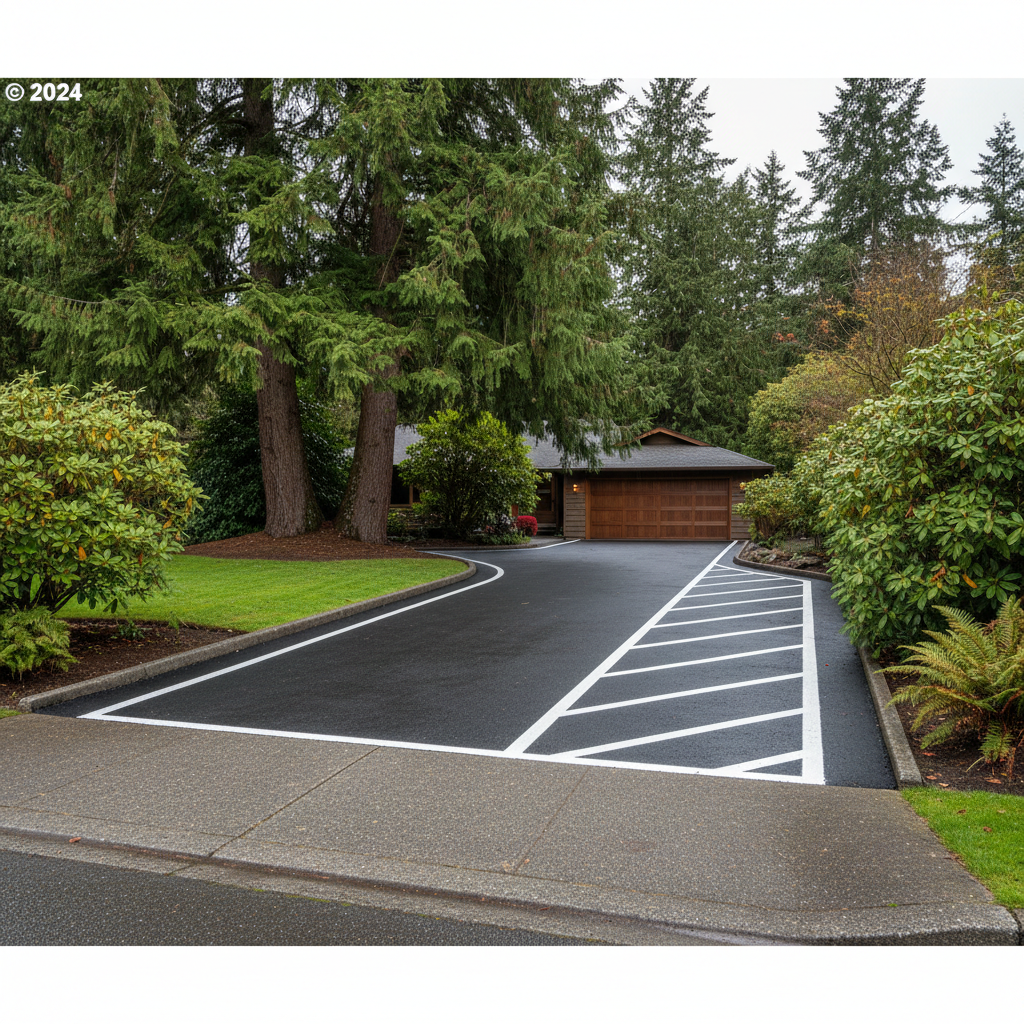
Shoreline Striping: Timing Your Asphalt Markings Right
You’ve got a fresh asphalt surface, or maybe your old lines are just fading fast. You know you need striping done, but when’s the best time to schedule it? It’s not as simple as just calling us up on a random Tuesday. Especially here in Shoreline, our weather has a huge say in when we can lay down those crisp, new lines.
I've seen plenty of folks try to rush striping projects, and it almost always ends in disappointment. You want those lines to last, right? That means paying attention to the conditions. For asphalt striping, we're really looking for a sweet spot in the weather calendar.
When to Schedule Your Striping Project
Honestly, late spring through early fall is your prime window. Think May, June, July, August, and maybe early September. Why then? It boils down to temperature and moisture. The paint we use needs specific conditions to cure properly and bond with the asphalt.
- Temperature: We need consistent temperatures, both day and night, that are above 50 degrees Fahrenheit. If it dips too low overnight, the paint won't cure right, and you'll end up with lines that chip and peel way too soon.
- Dry Conditions: This is a big one for us in the Pacific Northwest. We need several consecutive dry days leading up to the project, and ideally, a few more after. Even a light drizzle can ruin a freshly painted line. The surface has to be completely dry for the paint to adhere.
Trying to stripe in the middle of our typical Shoreline winter, with its constant rain and chilly temps, is just asking for trouble. The paint won't stick, it won't cure, and you'll have wasted your money and our time. We won't even attempt it if the conditions aren't right, because we stand by our work at Paradise Asphalt Solutions.
How Weather Conditions Affect the Work
It's not just about getting the paint down; it's about getting it to stay down. Humidity, for example, can slow down the drying process significantly. If the air is thick with moisture, even on a warm day, it can extend the curing time and leave the paint vulnerable to traffic or even just dew. We’re always checking the forecast for dew points, not just rain.
Wind can also be a factor, especially for stenciling or intricate work. A strong gust can blow paint where it shouldn’t be, messing up clean edges. We’ve got techniques to mitigate this, but calm days are always preferred for the best results.
Think about a parking lot in, say, the Richmond Beach neighborhood. Those lots often get a lot of shade from mature trees, which means they stay cooler and wetter longer into the spring. That's something we account for when planning a job. A sunny, open lot might be ready for striping weeks before a shaded one.
Protecting Your Investment Year-Round
Once those lines are down and cured, you want them to last as long as possible. Here's what you can do:
- Keep it Clean: Regular sweeping or blowing off debris helps prevent abrasive materials from wearing down the paint. Dirt, gravel, and leaves can all contribute to premature fading.
- Address Potholes Promptly: If your asphalt starts to crack or form potholes, get them repaired. Unstable surfaces beneath the striping will cause the paint to break up and disappear.
- Sealcoating: This is a big one. A good sealcoat every few years not only protects your asphalt but also provides a fresh, dark surface that makes new striping pop and old striping last longer. It’s like sunscreen for your pavement.
- Avoid Harsh Chemicals: Be careful with de-icers or strong cleaning agents. Some can be really tough on asphalt and paint, accelerating wear.
Getting your striping done right, at the right time, means it'll look sharp and last longer, saving you headaches and money down the road. If you're thinking about new lines or refreshing old ones, give us a call. We'll help you figure out the best timing for your specific property here in Shoreline.